


Easy-To-Use Walker Tools To Make Your Everyday Lifethe Only Easy-To-Us…
페이지 정보
작성자 Maude 작성일25-09-19 03:22 조회5회 댓글0건관련링크
본문
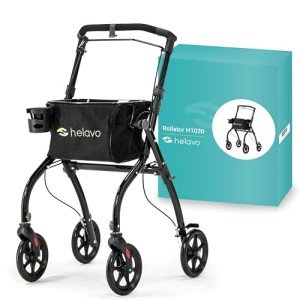
The Ultimate Guide to Easy-To-Use Walkers: Empowering Mobility for All
Mobility is a basic aspect of daily living, and for lots of individuals, especially the elderly and those with mobility difficulties, walkers can considerably boost independence and security. An Easy-To-Use Walker; just click the up coming article, can be the distinction in between counting on assistance and regaining autonomy. This article aims to check out numerous types of walkers, their features, and how people can select the best walker according to their requirements.
Understanding Walkers: Types and Features
Walkers come in several styles customized to particular needs, levels of mobility, and individual choices. The following table summarizes the most typical types of walkers, their features, and prospective benefits.
| Walker Type | Description | Benefits |
|---|---|---|
| Standard Walker | A lightweight, fundamental frame with four legs. | Deals stability and support; easy to maneuver. |
| Two-Wheeled Walker | Features two wheels at the front for easy mobility. | Offers support while permitting smoother motion. |
| Four-Wheeled Walker | Likewise understood as a rollator, it has four wheels. | Enables for greater mobility and includes a seat for resting. |
| Knee Walker | Developed for people with foot or ankle injuries. | Makes it possible for users to rest weight on the knee while gliding with the other leg. |
| Chair Walker | Combines a walker with a seat and storage. | Supplies convenience for longer ranges; excellent for resting. |
| Foldable Walker | Can be folded for easy Transport Walker and storage. | Portability makes it ideal for travel. |
Factors to Consider When Choosing a Walker
Choosing the ideal walker is crucial for ensuring security and comfort. Below are crucial factors to think about:
Mobility Level: Assess the user's existing mobility and balance. Those who require optimum stability might benefit from a basic walker, while more mobile users might choose a rollator.
Weight Capacity: Walkers are developed with specific weight limitations. Constantly examine the producer's guidelines to guarantee safety.
Height Adjustment: An effectively fitted Heavy-Duty Walker is vital for comfort. Try to find adjustable height choices to guarantee it fits the user's stature.
Surface area Type: Consider where the walker will mostly be utilized. Some walkers are much better matched for outdoor use, while others may operate best on carpets or inside.
Storage Needs: If the user typically carries individual items, walkers with baskets or trays might be beneficial.
Additional Features to Look For
Walkers have actually progressed to include different features targeted at enhancing user experience. Some notable features include:
Hand Grips: Ergonomically developed hand grips add to comfort and manage.
Brakes: For rollators, check for Reliable Walker brakes which offer added security when decreasing or stopping.
Weight: Lightweight products enhance maneuverability and ease of transport.
Seat and Backrest: For users who may require to rest, choices with seats and backrests provide much-needed support.
Devices: Consider additional products like trays, baskets, or lights that can improve Bariatric Walker functionality.
The Benefits of Using a Walker
Selecting an easy-to-use walker can bring various benefits for users and caretakers alike:
Increased Independence: Walkers minimize reliance on others, empowering users in their daily regimens.
Improved Safety: They offer essential support and balance, decreasing the danger of falls and associated injuries.
Boosted Mobility: Walkers enable individuals to keep mobility even with limited physical capabilities.
Activity Encouragement: Using a walker can motivate users to take part in regular motion, promoting general health.
Social Interaction: Increased mobility motivates users to take part in social activities, improving psychological wellness.
Frequently asked questions about Walkers
1. How do I understand which walker is ideal for me?
Picking the ideal walker involves assessing your mobility requires, weight capacity, and personal choices. Consulting with a health care specialist can likewise provide important insights.
2. Are walkers covered by insurance?
Lots of insurance coverage strategies, including Medicare, will cover walkers if they are considered medically necessary. It's best to examine with your strategy for particular coverage details.
3. How can I preserve my walker?
Routine maintenance includes inspecting wheels and brakes for damage, cleaning the frame, and checking rubber tips for wear.
4. Can I use a walker outdoors?
Yes, there are particular walkers developed for outdoor usage, such as four-wheeled rollators, which offer greater stability on different surface areas.
5. What is the common weight limitation for walkers?
Weight limits can vary extensively depending on the model and producer. The majority of standard walkers support up to 300 pounds, but it's important to inspect individual specs.
Conclusion: Choosing the Right Walker for Enhanced Mobility
An easy-to-use walker is more than simply a tool; it represents self-reliance and self-respect for countless users. Whether it's a lightweight standard walker, a feature-rich Ergonomic Rollator Walker, or a specialized knee walker, the options are huge and varied. By understanding the different kinds of walkers readily available, considering crucial features, and recognizing the considerable advantages they offer, people can make educated decisions that align with their requirements.
Keep in mind, while this guide acts as a foundational resource, it is constantly a good idea to speak with a health care expert for individualized suggestions. By picking the best walker, individuals can actively engage in life, maintain their mobility, and pursue their passions without limit.
댓글목록
등록된 댓글이 없습니다.
 - 계좌정보